West Shore Wellness, LLC
West Shore Wellness in Camp Hill, PA offers counseling for individuals, couples, teens, and families focused on mental health and growth.
For some people, it feels like pins and needles. For others, it feels like numbness, burning, hypersensitivity, weakness, or a strange disconnect between the body and what it is supposed to feel. Even simple things like walking, climbing stairs, or trying to sleep can suddenly become harder and far more frustrating than they used to be.
At Healing Grace Clinical Massage, one of the questions that sometimes comes up is whether Craniosacral Therapy can help support people dealing with neuropathy. Based on this episode and the client story shared in it, the answer is that in some cases, yes, it may provide meaningful relief.
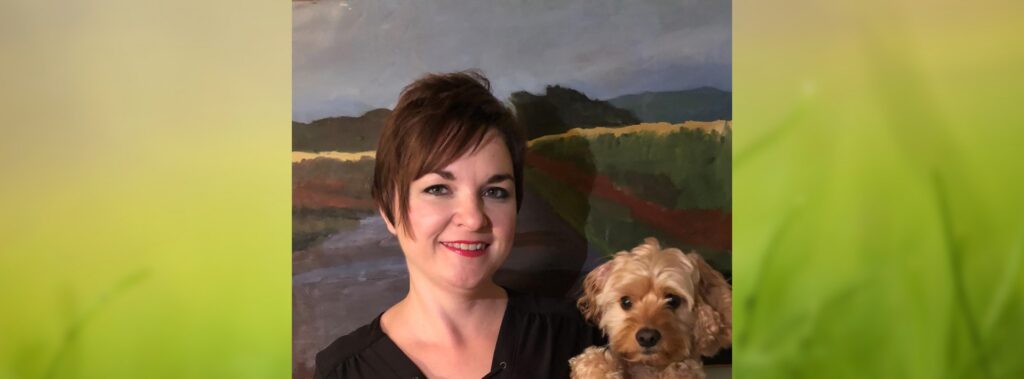
In this conversation, KellyAnne was joined by a longtime client who shared his experience with neuropathy connected to cancer treatment.
He described the sensation in his foot as numbness, tingling, and a lack of confidence in how the foot was functioning. It was not always sharp pain, but it felt like something was clearly off. At another point, he began experiencing more intense nerve-related symptoms in his hands, including pain severe enough to disrupt sleep.
That is one of the difficult things about neuropathy. It does not always present the same way from person to person. Some people lose feeling. Some have heightened sensitivity. Some have pain. Some feel like the nerves are simply not communicating the way they should.
Craniosacral Therapy is not the same as a standard relaxation massage.
This work focuses on the nervous system and how cerebrospinal fluid moves through the body. When certain areas are not functioning well, the body may begin compensating. Some areas may not be getting what they need, while others may be overloaded. The result can be dysfunction, discomfort, and symptoms that seem difficult to resolve.
In cases like neuropathy, KellyAnne explained that part of the work involves identifying where the nerve pathways are not functioning properly and helping the body improve flow and communication where possible. In some situations, that may mean supporting the body as it reconnects and restores function. In others, it may mean helping the body reroute and reorganize so it can still accomplish the same job in a different way.
That is one reason this work can feel so different from traditional massage. The touch is often gentle, but the purpose is highly specific.
One of the most encouraging parts of this episode was hearing directly from a client who had experienced significant improvement.
After developing neuropathy related to treatment, he began sessions that combined massage and Craniosacral Therapy. Within a matter of weeks, he started noticing improvement. Over time, the numbness in his foot was significantly reduced, circulation improved, and symptoms that had once affected his daily life changed dramatically.
Later, when neuropathy-related symptoms began affecting his hands, he returned for additional Craniosacral sessions. After just a few weeks, the pain had decreased enough that he was finally able to sleep again.
What stands out most is that this was not described as a vague sense of feeling a little better. The difference was substantial enough that even his medical specialist took notice.
For people unfamiliar with Craniosacral Therapy, it can sound intimidating or confusing at first.
In reality, the work is often very calm and gentle. Clients are not being forced through painful movements or aggressive techniques. The pressure may be extremely light, sometimes described as no more than the weight of a dime, but that does not mean nothing is happening.
During the session, KellyAnne uses specific contact points based on the nervous system and the client’s symptoms. Clients may notice certain areas feel more reactive than others. They may feel a shift, a rush, or a release as the body responds. In many cases, the environment itself also plays a role by helping the client slow down, become aware of what they are feeling, and give the body room to respond.
This is one reason so many people are surprised by the results. The work does not always look dramatic from the outside, but the body can be doing a great deal beneath the surface.
A major theme in this episode is that clinical work is different from a basic massage appointment.
While relaxation massage certainly has value, clinical massage and Craniosacral Therapy are more focused on function, assessment, and outcomes. The goal is not just to help someone feel good for the day. The goal is to understand what is happening in the body and support healing as intentionally as possible.
That is especially important for people dealing with complex concerns like neuropathy, chronic pain, cancer-related treatment effects, circulation problems, or nervous system dysfunction.
Many clients arrive at Healing Grace after trying a long list of other options. Some have already seen specialists, taken medications, or been told that what they are experiencing may simply be something they have to live with.
This episode offers a different kind of hope.
Not every case is the same, and no ethical practitioner should promise the exact same outcome for every person. But this conversation shows that when the nervous system is supported in the right way, meaningful change may be possible, even in situations where someone feels like they are out of options.
For people dealing with neuropathy, that matters.
Healing Grace Clinical Massage exists to help people move toward relief, restoration, and better function, and sometimes that starts by looking at the nervous system in a deeper, more intentional way.
West Shore Wellness in Camp Hill, PA offers counseling for individuals, couples, teens, and families focused on mental health and growth.
n-Courage Counseling offers virtual therapy in Pennsylvania for individuals, couples, & families focused on anxiety, relationships & growth.